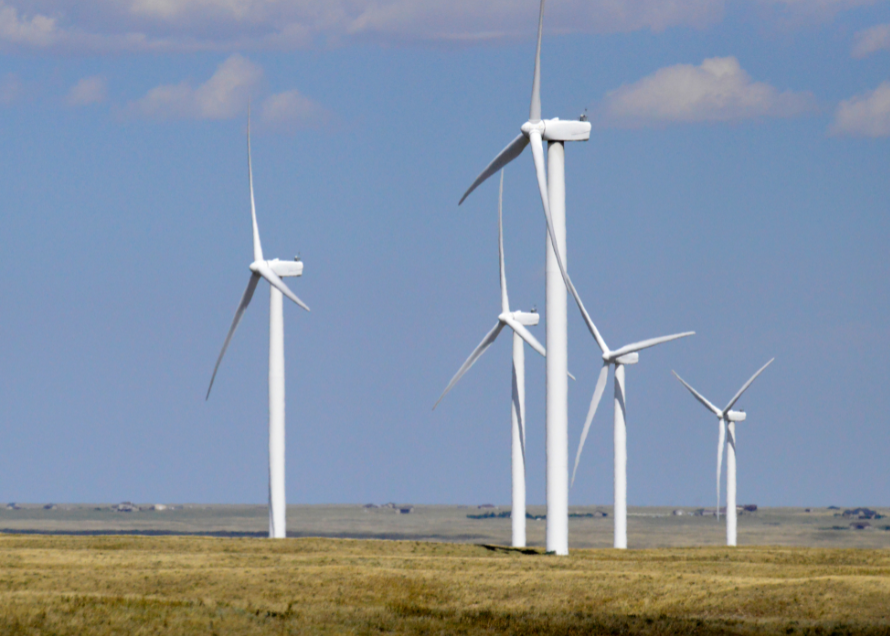


A new hydrogen production facility proposed for rural Perthshire aims to turn local wind power into clean fuel for distilleries, hospitality businesses and other energy‑hungry industries. The Strathallan Hydrogen Facility, planned north‑west of Braco in Perth and Kinross, would sit alongside the existing Strathallan Wind Farm and use around 20 MW of renewable electricity to produce low‑carbon hydrogen on site.
The hydrogen plant is being brought forward by Green Cat Hydrogen, building on the Strathallan Wind Farm that was energised in spring 2024 after a lengthy planning process and appeal. Once the next phase of the wind farm is complete, more than 20 MW of clean electricity is expected to be available to power electrolysers that split water into hydrogen and oxygen, with the fuel then stored and distributed to local users. According to project information published by the developer, the facility is intended to support the decarbonisation of heat, transport and industrial processes in the surrounding area rather than export hydrogen over long distances.
The Strathallan scheme also sits within a wider national push to grow low‑carbon hydrogen capacity, with the UK Government targeting up to 10 GW of production by 2030 and backing projects through competitive “Hydrogen Allocation Rounds.” Strathallan Hydrogen Facility has already appeared on the government’s HAR2 shortlist, signalling that it is in the running for a 15‑year revenue support contract designed to bridge the cost gap between green hydrogen and fossil fuels.
Local benefits and uses
Green Cat Hydrogen says the Strathallan plant is designed first and foremost to meet nearby demand, supplying hydrogen to energy‑intensive sectors across Perthshire. Potential customers include whisky distilleries seeking alternatives to fossil fuels, haulage and bus operators exploring zero‑emission fleets, and hospitality businesses that want to cut their carbon footprint while keeping energy costs predictable. By producing hydrogen locally, the project team argues it can reduce exposure to volatile gas markets while keeping more of the value of the energy transition within rural communities.
In public information about the scheme, the developer stresses its intention to integrate the facility with existing infrastructure and natural resources, including careful consideration of water supply, electricity connections and access routes.
Hydrogen’s status as an odourless, highly flammable gas means some residents fear “a potential for disaster” if something were to go wrong, despite the sector being tightly regulated under UK major‑accident hazard rules. Campaigners opposed to the plans have argued that any large‑scale production site must demonstrate robust controls on leaks, explosions and emergency response before it is allowed to proceed.
Industry and government guidance, meanwhile, emphasise that risks can be managed through careful design, separation distances, ventilation and monitoring, and point to examples of hydrogen being handled safely at industrial scale. Supporters of the Strathallan scheme say modern engineering standards and regulation are designed precisely to prevent the kind of worst‑case scenarios highlighted by critics.
In Case You Missed It:
No related posts.
Consultation and next steps
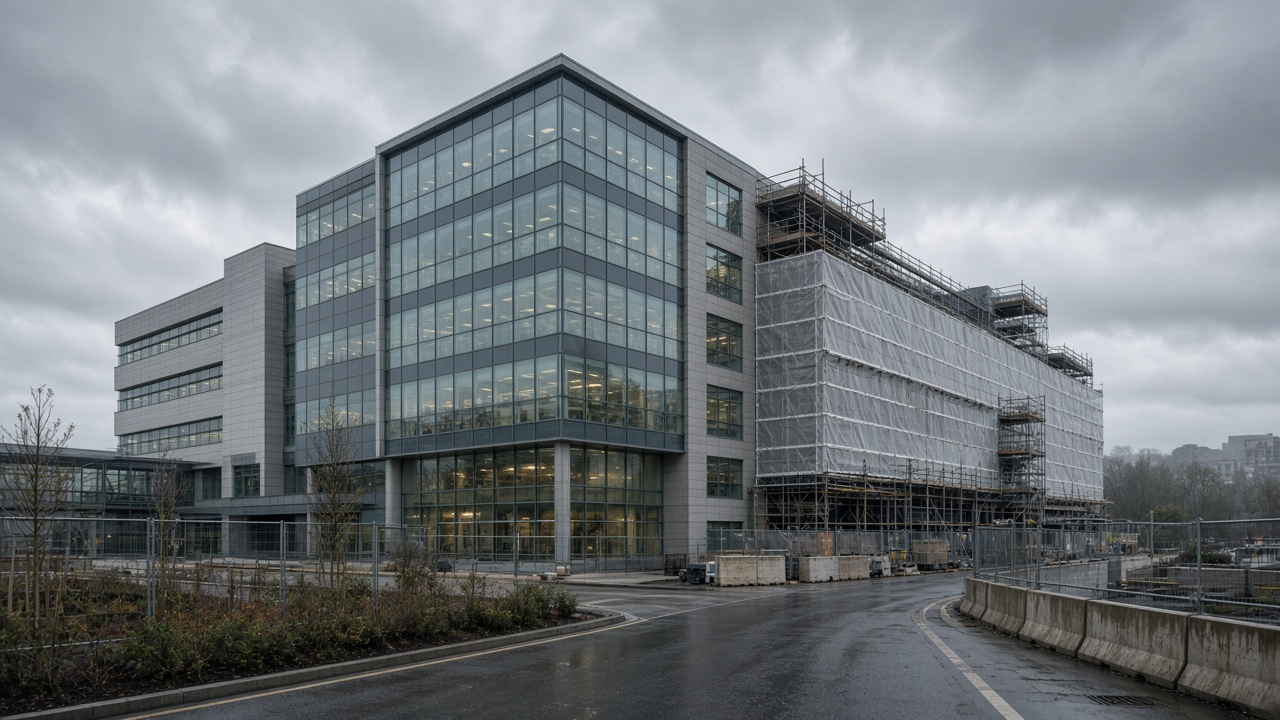
Early‑stage engineering and environmental studies are under way ahead of a formal planning application, with the consultation materials setting out the emerging layout of the site, indicative building designs, traffic and access considerations, and initial assessments of issues such as noise, landscape impact and ecology. Feedback from residents, community groups and local businesses will be used to refine the plans before they are submitted to Perth and Kinross Council.
Details of public drop‑in events have been advertised locally and online, with the company committing to publish the information boards so those unable to attend in person can still review the proposals. A planning application is expected to follow the consultation period and, if consent is granted, construction of the hydrogen plant would take place later in the decade in step with the expansion of the wind farm.