
Public Spending Watchdog Demands Robust Oversight to Tackle Escalating Equal Pay and Homelessness Costs
Glasgow City Council stands at a “critical” point in its efforts to stabilise its finances, according to a stark warning from Scotland’s public spending watchdog, the Accounts Commission. The independent body has called for “robust oversight” to address a projected budget gap of approximately £110 million spanning the 2026-27 and 2027-28 financial years.
The Accounts Commission, responsible for auditing the accounts and performance of Scottish local government bodies, provides independent reporting to ensure financial stability and value for money. Its 2026 Best Value report on Glasgow highlighted a significant £45.7 million overspend from the 2024-25 financial year, marking the council’s highest overspend in six years. The report further noted a lack of “established longer term financial planning arrangements,” raising concerns about the city’s future fiscal health.
Beyond the immediate budget deficit, the watchdog identified two key financial pressures exacerbating Glasgow’s challenges: a long-running equal pay dispute and the escalating costs of homelessness.
The Enduring Legacy of Equal Pay Claims
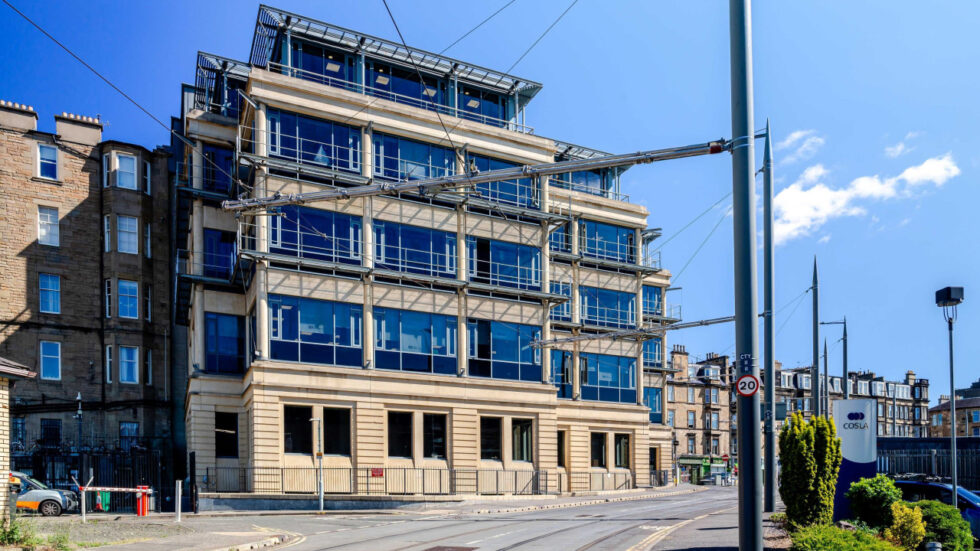
The equal pay dispute represents a significant and ongoing liability for the council. Glasgow City Council has previously paid out around £770 million after it emerged that female workers in roles such as catering and cleaning had historically received lower pay than those in male-dominated areas like refuse collection. This figure includes a settlement of over £500 million in 2019 for approximately 15,000 claimants, funded in part by the controversial sale and leaseback of 11 council-owned buildings, and a further £200 million agreement in 2022 funded by additional property sales. The annual rental payments for these 17 properties now cost the council over £32 million.
The council is committed to implementing a new pay and grading structure by April 2027. The Accounts Commission stressed that meeting this deadline is “critical” to prevent further equal pay liabilities and mitigate a “financial and operational impact on the council.” Accounts Commission deputy chair Andrew Burns underscored the severity, stating: “There is no doubt about the scale and complexity of the challenges that Glasgow City Council faces, particularly equal pay and homelessness.”
Mounting Homelessness Crisis Fuels Expenditure
Another major financial strain stems from the surging costs of addressing homelessness. Spending in this area reached £38 million in 2025-26 and is forecast to increase dramatically to £56 million for the current year and nearly £75 million in 2027-28.
This escalation is directly linked to the UK-wide asylum backlog. As asylum seekers are granted leave to remain, they are reclassified as refugees and must vacate UK Home Office accommodation. Many then turn to local councils for housing assistance, placing immense pressure on already stretched resources. National data indicates that a significant proportion of councils across the UK have reported increased homelessness presentations due to the cessation of support for asylum seekers after positive or negative decisions on their claims. Glasgow, which hosts a substantial refugee population, is particularly affected by this transition.
Glasgow City Council leader Susan Aitken highlighted the immediate consequences of this influx: “We’re having to put them up in hotels, and that’s very, very expensive.” The National Audit Office has previously noted that the full costs incurred by local authorities due to the asylum system are “poorly understood” and difficult to calculate, often exacerbated by a lack of standardised information flow from the Home Office.
Calls for Action and Political Response
The Accounts Commission urged Glasgow City Council to outline the “necessary choices to enable it to live within its means.” It also noted that cash reserves “continue to decline” and are currently below the council’s own targets. The watchdog advised that elected councillors must play a “key role” in overseeing financial sustainability, with Andrew Burns reiterating, “We need to see leadership, responsibility and robust oversight by councillors.”
Responding to the report, Glasgow City Council deputy leader Ricky Bell acknowledged that the issues raised were “not a surprise.” Councillor Bell stated: “The Accounts Commission recognises that many of those challenges are not unique to Glasgow – and that others, such as the pressure on homelessness budgets, are not of the city’s making.” He added that the council had made “significant progress” on a new pay and grading system since the period examined by the Accounts Commission.
In Case You Missed It:
 Watchdog warns of ‘unprecedented pressures’ as council funding gap nears £1bn
 New pilot launched to improve young people’s access to bank accounts and financial education
 Scotland’s Build-to-Rent Sector faces steepest UK decline as country faces housing crisis
 Edinburgh Fringe warns Council funding jeoparding Festival’s future
The report has drawn sharp political reactions. Reform UK MSP Thomas Kerr contended that council leader Susan Aitken would “blame anything for the city’s catastrophic financial crisis except the ‘invasion of Glasgow by thousands of strangers and her own leadership’.” Kerr directly linked the £110 million budget “black hole” to the “financial impact of losing the local connection rule and the welcoming of thousands of strange men into our city.” Scottish Labour local government spokesman Joe Fagan commented that the report painted a “stark picture about the challenges faced by Glasgow,” adding that the budget gap “will likely require very difficult decisions to be made, which will impact on people living right across the city.” Similarly, Scottish Conservative local government spokesman Alexander Burnett criticised what he called a “staggering blackhole” in Glasgow’s finances, warning that “local people will be left facing swingeing cuts and higher council tax bills because of the SNP’s mismanagement.”
The financial struggles faced by Glasgow are reflective of broader challenges across Scottish local government, where many councils are contending with rising service delivery costs that outpace available funding, increasing debt, and reliance on reserves.